Lest we forget – Remembrance Day 2026
November is the month that we gather together to reflect on past and present sacrifices made by our Armed Forces and their families.
Across the UK, commemoration events will take place allowing tributes to be delivered, with young and old wearing their poppies with pride
The nation will unite on November 8 for Remembrance Sunday and at Cenotaphs there will be wreath-laying and memorial ceremonies.
A day of reflection follows when on Wednesday 11 November – on the 11th hour of the 11th day of the 11th month – the country will observe a two-minute silence.
Professor Gerri Matthews-Smith, University Lead and Director of Centre for Military Research, Education Practice and Research, shared why Remembrance is such an important time for military families, not just in November, but all year-round.
She said: “Remembrance holds a particularly profound and deeply personal meaning for a military child, especially for those whose parent has been killed in service. While for many, Remembrance is an opportunity to honour those who have served and sacrificed, for these children it is also about remembering a parent: their love, their presence, their voice, their stories, and the life they shared.
“The act of remembrance is not confined to one day in November; it is woven into their lives, their identities and their understanding of family, loss and belonging.
“We must recognise that behind every name on a memorial is a family, and often a child growing up with the absence of someone who should have been there to share their milestones, achievements, and everyday moments.
“Our responsibility must extend beyond remembering the fallen to supporting those they have left behind. This means listening to military children, recognising their experiences, preserving their parent’s memory, acknowledging the enduring impact of their loss and ensuring they feel supported, included and never forgotten.
“If we are committed to remembering our fallen, we must also commit to remembering and supporting their family and children.
“Remembrance must be more than an annual act of commemoration; it must be a lifelong commitment to those who carry the legacy of their sacrifice.
Ahead of this year’s Remembrance Sunday, how will we teach our children and young people why it’s so important?
To help families and educators, this short informative guide provides advice and suggestions on how to explain remembrance.
Please note, this is a general guide and all activities, events and information given should be age appropriate and based on the needs and skillset of the children and young people.
Poppies
We wear poppies in November as a mark of respect.
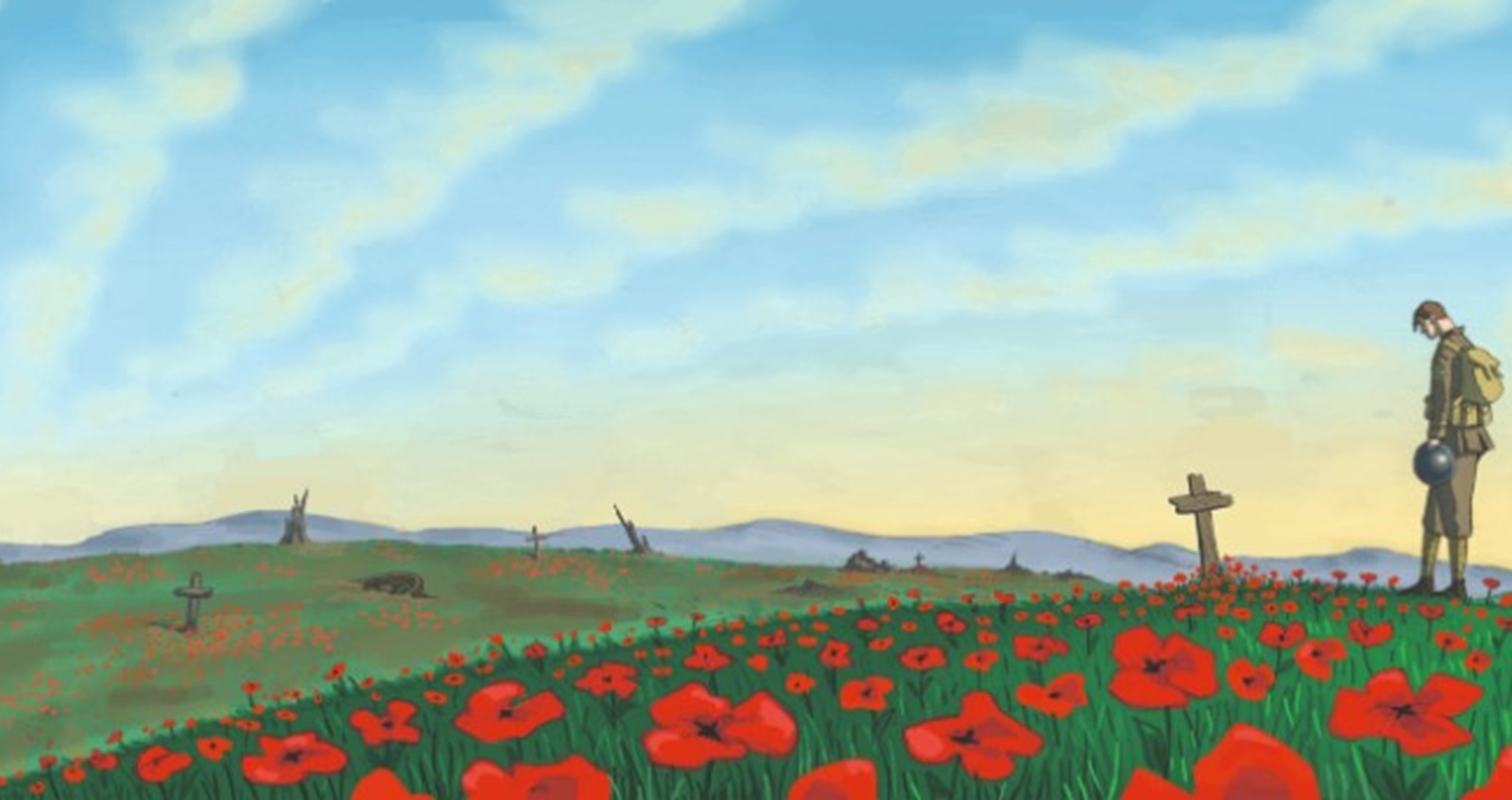
Poppies grew on the battlefields after the First World War and soon became the symbol of remembrance for all wars. The flowers are also featured in the famous war poem, In Flanders Fields.
At home, in a classroom setting or young group, a discussion can be had on the importance of the poppies symbol and the money raised from selling them, followed by an arts and crafts session for children to design their own poppy picture. Or why don’t you create a poppy garden at home or in the classroom to demonstrate the importance of the symbol.
The Scottish Poppy Appeal is hosted by Poppyscotland, with money raised from the annual campaign going to support the Armed Forces community in Scotland, including Serving, Veterans and Service families. To find out how to get involved, visit poppyscotland.org.uk
Remembrance writing
Encourage children and young people to write an article or poem about military life and Remembrance Sunday.
These pieces could even be a collaborative writing project, which opens up discussions about the significance of Remembrance Sunday, Armistice Day and the poppy appeal.
Books and poems
Books are an excellent source of information to read and discuss with children. Please review the material first as some content may be appropriate only for older children.
Children’s books for remembrance
In addition to educational literature, here is a selection of books which may be of interest:
- The Poppy Story – an illustrated paperback aimed at children 4-7 years old, it tells the story of the poppy and remembrance, with particular reference to Scotland. Schools can order a free copy of The Poppy Story book for their school library by emailing the learning team at Poppy Scotland
- Ava’s Poppy – recommended for children aged 3+ years, the Marcus Pfister book features a short story and illustrations on the lifecycle of a flower and a prompt for discussions about the symbol of poppies.
- Flo of the Somme – This book pays tribute to the bravery of all animals who risked their lives during World War 1. Written by Hilary Robinson and illustrated by Martin Impey, it follows the adventure of Mercy Dog Flo, who is trying to reach the injured on the battlefields with her first aid kit. It is aimed at children aged 4-11 years.
- One Boy’s War – suitable for children aged 9-11 years, the book by Lynn Huggins-Cooper, is told from the view of a 16-year-old boy who goes to fight in World War 1.
Poems for Remembrance
There are many poems for reflection and study, including:
- In Flanders Fields, by John McCrae
- The Soldier, by Rupert Brooke
- Aftermath, by Siegfried Sassoon
- Dulce et Decorum Est, by Wilfred Owen.
Online resources
A number of supporting and partner organisations will have resources to view and download for support families and educators. Here is a selection of these sites:
- Poppyscotland offers free learning materials, including lesson plans and information for the classroom, youth groups and families. Find out more on their learning resources page.
- The Royal British Legion has a range of free resources and free events for school children, educators, youth groups and families. Discover more on its website.
- Forces Children’s Education has a collection of resources which can be used to develop appropriate learning and training experiences around conflict and war.
More for Families
We have lots of useful guides for families of school-age young people in our Families section.
More for Educators
Our Educators section is filled with valuable information for teachers of Forces children across Scotland.